
Buying your first boat is one of life’s great milestones, bringing with it excitement, anticipation and, for many newcomers, a fair amount of overwhelm. With thousands of models, price points and features to navigate, knowing where to begin can feel daunting.
The good news is that, with the right preparation and a clear understanding of what to look for, first‑time buyers can approach the process with confidence. From choosing the right type of vessel to understanding long‑term costs and completing a purchase, a few fundamentals will go a long way.
Know before you go
Before diving into listings or viewings, it’s important to define what you want from your first boat. Are you planning relaxed weekend cruising, family day trips, inland exploring or longer coastal passages? Your plans will shape everything from size and layout to engine type and onboard features.
It’s equally important to consider your experience level and crew. A couple learning together may prioritise stability and ease of handling, while families tend to focus on safety features, enclosed cockpits and space.
Budget is another critical factor. A useful rule of thumb is to allow around ten per cent of a boat’s value annually for running costs. This typically includes berthing (often 30-50 per cent of yearly costs), insurance (5-10 per cent), maintenance (20-40 per cent) and fuel. For sailing boats, fuel costs are lower, but items such as sail replacement can represent significant periodic expenses. First-time buyers should pay particular attention to the condition of the antifouling. Antifoul coatings help prevent marine growth on the hull and, subject to mooring location and antifoul type, require regular renewal. A well-maintained antifoul schedule is often a good indicator that an owner has kept up with other routine maintenance.
It’s also worth noting that 2025/2026 has shaped up as a strong buyer’s market in the UK, with more used inventory available and sellers generally willing to negotiate, which is good news for those approaching their first purchase with patience and a clear brief.
Where first‑time buyers start
Many first‑time buyers gravitate towards a handful of proven, versatile categories.
Motor yachts (30-45ft)
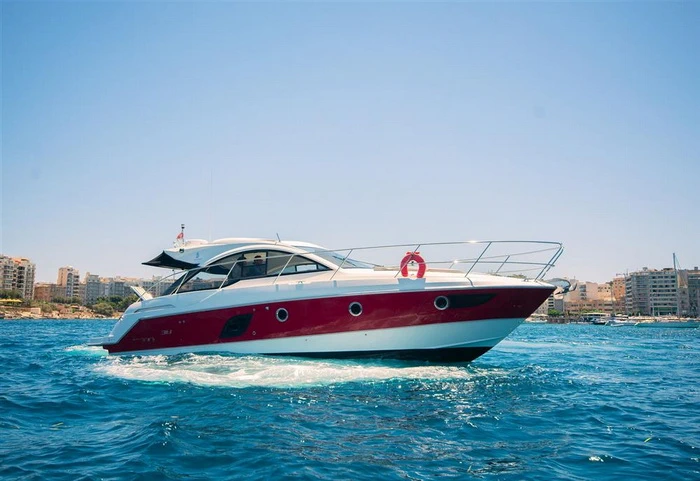
Motor yachts are a popular entry point thanks to their comfort, straightforward handling and strong availability on the used market. They offer generous living space, making them particularly suitable for families or those planning coastal cruising. Current market data shows wide price ranges depending on age and condition, with average prices for 1996-2005 models around £110,000 and 2006-2015 models averaging £177,000.
Sailing yachts (30-45ft)
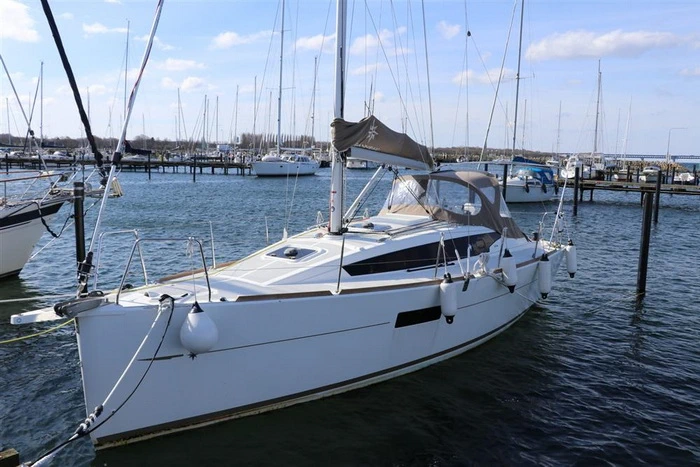
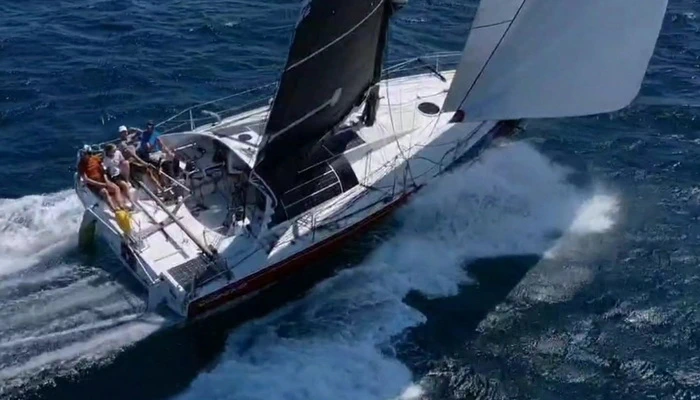
For those drawn to a more traditional and hands‑on experience, sailing yachts provide both challenge and reward. Beginner‑friendly cruisers offer manageable sail plans and good stability, while smaller dinghies can be an excellent way to learn before moving up in size. Classic starting points include the Wayfarer, a famously stable 16ft dinghy used extensively by UK sailing schools, or the Laser 2000, which works well for families.
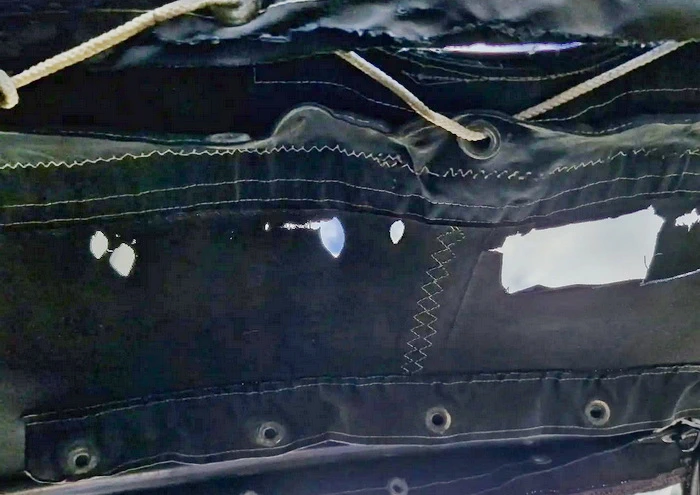
When graduating to a keelboat, important features to look for include headsail furling (so you can reef the foresail quickly if the wind builds), a weighted keel for stability, and controls led back to the cockpit so you can manage the sails without venturing onto a wet deck. Popular entry-level options, such as the Beneteau First 24/27 and Jeanneau Sun Odyssey 319, typically range from £68,000-£85,500 for late 2010 to early 2020’s models.
Trawlers and compact cruisers
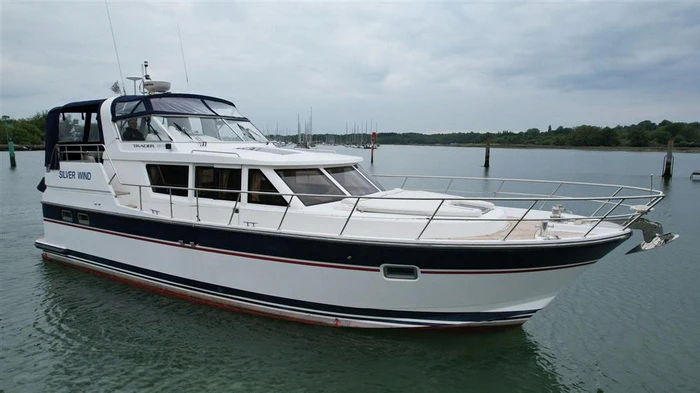
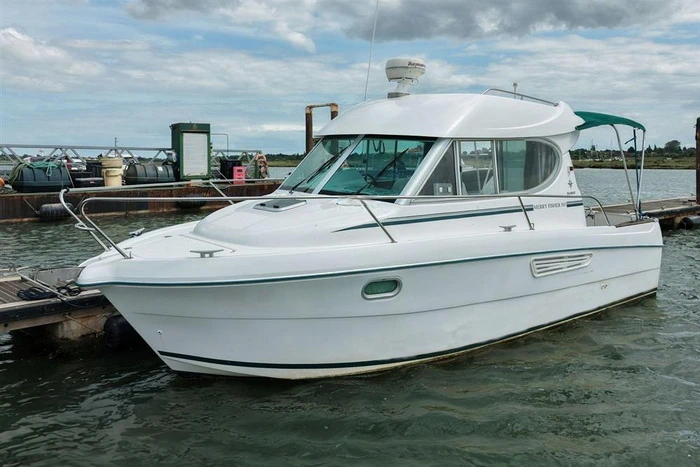
Fuel‑efficient and easy to handle, trawlers and smaller motor cruisers are gaining popularity. Many offer enclosed cabins and overnight capability, making them practical for short trips and extended weekends alike. For trawlers, average prices for 2006-2015 models sit around £212,000. Smaller motor cruisers under 30ft, like the Merry Fisher or Quicksilver Pilothouse, often cost under £30,000.
RIBs and small powerboats
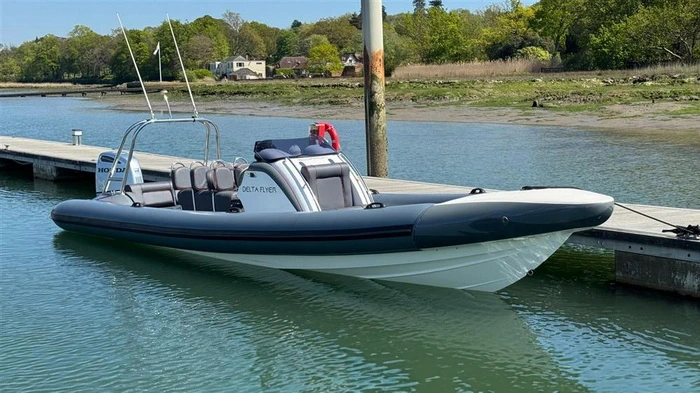
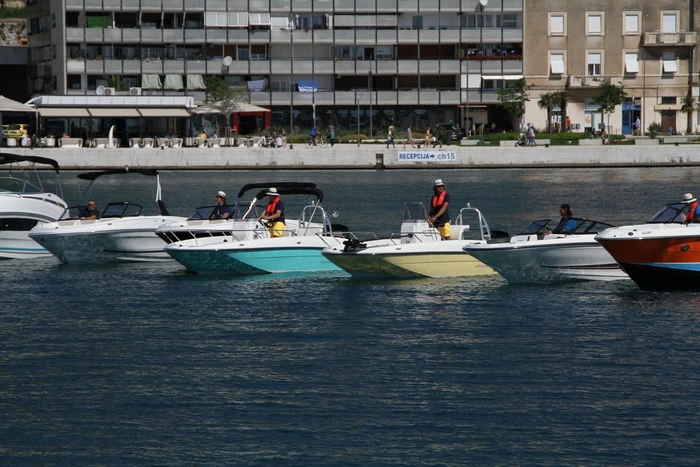
For those not ready to commit to a larger vessel, rigid inflatable boats (RIBs) and small powerboats provide a versatile and relatively low‑maintenance introduction to boating. Many models from popular brands fall between £6,000-£30,000, making them a cost-effective entry point.
Well-regarded names for beginners include Ribeye, Brig, Highfield and Zodiac, each offering a range of sizes and engine configurations to suit different budgets. One practical tip: where possible, look for a boat with an outboard motor rather than an inboard. Outboards are simpler to maintain, easier to service and can be tilted clear of the water when not in use, which helps extend their working life. Many can also be trailered and stored at home, cutting out marina storage costs and giving owners more flexibility over when and where they launch.
Assessing boats online
Online listings have made it easier than ever to browse and compare boats, but knowing what to look for is key.
Start with the visuals. High‑quality, comprehensive photos are often a good indicator that a boat has been well presented. Videos or virtual tours provide additional reassurance, especially for buyers who cannot travel immediately.
Descriptions should be detailed and transparent, including specifications, service history, engine details, layout information and any recent upgrades. Missing or vague information can signal a need for further due diligence.
When assessing remotely, pay particular attention to:
- Hull condition: Look for signs of damage, repairs or potential issues such as osmosis
- Engine hours and servicing: A well‑maintained engine is essential
- Electronics: Outdated or faulty systems can be costly to replace
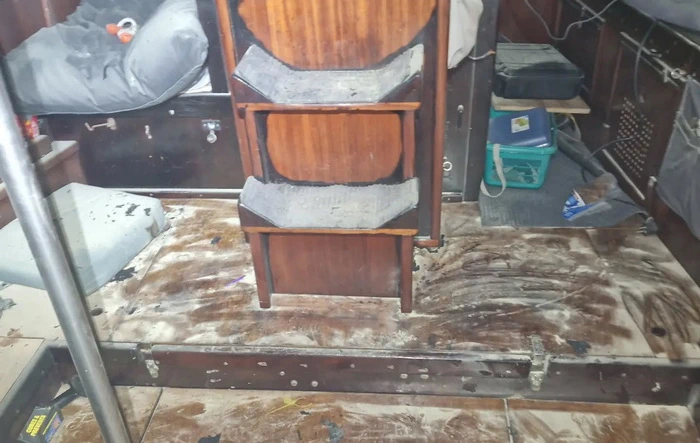
- Signs of water damage: Staining, mould or corrosion can indicate deeper problems
Before arranging a viewing find out:
- VAT status
- Ownership history
- Outstanding finance
- Number of owners
- How long it’s been on the market
- If it’s been in salt or freshwater
- If it’s ever been submerged
- Had any structural repairs
- If a sea trial and independent survey will be permitted
A boat that has been sitting on the hard for a year or more may have dried-out seals and stale fuel, which can add to early ownership costs. Finally, always ask for a written inventory confirming exactly what is included in the sale – high-end navigation equipment, life rafts and tenders do not automatically transfer with the boat.
When browsing listings, most platforms allow you to save favourite boats and set up email alerts for newly listed vessels that match your search criteria, a useful way to stay informed without having to check manually every day. If a listing looks suspicious or contains information that seems misleading, reputable platforms will have a reporting mechanism so concerns can be flagged quickly. As with any significant purchase, it is sensible to carry out your own checks before transferring any money.
Learning from other buyers
Hearing from others who have gone through the process can provide valuable perspective.
One recent buyer from Romania, who has since purchased four boats through TheYachtMarket.com, explained that he spent around six months researching each purchase. During that time, he carefully compared factors such as build year, quality and price before narrowing his search to specific models, including the Bavaria 45/46 and Jeanneau Sun Odyssey 43. Travelling across Europe to view multiple boats presented its own logistical challenges. However, he felt that taking the time to assess each option thoroughly gave him the confidence to make the right decision. He also highlighted the platform's clear and straightforward presentation, along with its high quality of listings, as the main reasons he continues to return to it.
From viewing to ownership
Once you’ve shortlisted a boat, an in‑person inspection and professional marine survey are essential steps. A survey provides an expert assessment of structural integrity, engine condition and safety systems - identifying issues that may not be visible at first glance. Any reluctance from a seller to allow this should be treated as a red flag.
During the viewing, inspect:
- Hull and deck fittings
- Electronics and onboard systems
- Upholstery and interior condition
- Bilges and engine compartment
If you are purchasing through a broker, one question worth asking is: “If you were buying this boat yourself, what would you fix or replace first?” It is a disarming way to get a professional view of the vessel’s weakest point without putting anyone on the defensive.
Before completing the purchase, ensure you have:
- Proof of VAT status
- Clear title with no outstanding finance
- A written inventory
- Insurance in place
- Registration or title transfer completed in line with local regulations
Every experienced boat owner starts in the same place: navigating their first purchase with a mix of excitement and uncertainty. With careful planning, thorough research and the right guidance, buying your first boat can be a rewarding and enjoyable experience.
The key is to take your time, ask the right questions and focus on finding a boat that genuinely matches your needs. The rest will follow when you’re out on the water, so join local boating communities, enroll in recognised training courses and develop relationships with marinas which will really enhance your experience.
About the author
Richard Roberts is the CEO at TheYachtMarket.com, a global online marketplace for buying and selling new and used boats.