Foto galerija



Last from eShop
 399.00€
Novi TBB Nemo DM 1260 je najnovejša generacija DC-DC pretvornikov, ki zagotavljajo enostaven prehod s starih svinčenih servisnih baterij na tehnološko izpopolnjene litijeve baterije, ki zagotavljajo visoko kapaciteto in dolgotrajno delovanje.
Litijeve baterije s tehnologijo LiFePO4 postajajo vsakdanjih na plovilih, avtodomih in solarnih sistemih. Zaradi svoje izjemne kapacitete, majhne teže in življenjske dobe tudi preko 15 let, jih vse pogosteje najdemo v plovilih. Ker pa so njihove tehnične lastnosti drugačne od običajnih svinčenih akumulatorjev, moramo pri zamenjavi namestiti DC-DC konverter, ki bo skrbel za pravilno polnjenje litijevih baterij motorjem in preko obstoječega 220 V polnilca. Nova serija polnilcev TBB je enostavna za namestitev in omogoča priklop bluetooth vmesnika, s katerim lahko potek polnjenja baterij spremljate kar z mobilnim telefonom.
Novi pretvornik TBB Nemo DM1260 je idealen za polnjenje litijevih baterij BlueCell z večjo kapaciteto kot so BlueCell 200Ah 12.8V, BlueCell 314Ah 12.8V ali BlueCell 460 Ah 12.8V.
Prednosti:
- Združljivo z motorjem Euro 6
- Pravilna rešitev za polnjenje ščiti vaš pomožni akumulator z uravnavanjem napetosti in nadzorom toka.
- Varčevanje kabla akumulatorja z nadzorom toka.
- Večstopenjski prilagodljivi algoritem polnjenja TBB premium II.
- Vgrajena samodejna temperaturna kompenzacija.
- Dvojni izhodi, ločena vezja za polnjenje akumulatorja in napajanje enosmernega bremena (samo za DMT1250).
- Vgrajen BLVP.
- Neizolacijska zasnova z največjo učinkovitostjo 96 %.
- Združljivo z motorjem Euro 6 (pametni alternator).
- Plug and Play za enostavno namestitev.
- Vgrajena varovalka.
- Naravno hlajenje brez ventilatorja.
- Podpira komunikacijo RS485 ali CAN.
- Zaščita pred prenapetostjo vhoda/izhoda.
Tehnični podatki:
- Vhodna napetost – 13.2–16 V
- Avtomatska aktivacija D+: Da
- Polnilna napetost (tovarniška nastavitev): 14,6 V
- Polnilna napetost (float-tovarniška nastavitev: 13,5 V
- Polnilni tok: 60 A
- Učinkovitost polnjenja: 96 %
- Temperaturna kompenzacija: -3mV/C/celico
- Algoritem polnjenja: TBB premium II Multi stage
- Zaščita: Previsok tok, previsoka temperatura baterije, kratek stik, preobremenitev
- Komunikacija: RS485, RJ45 konektor
- Temperatura shranjevanje: -40 °C ~70 °C
- Temperatura delovanja: -40 °C ~70 °C
- Teža: 1,2 kg
- Zaščita: IP20
- Dimenzije (VxŠxG): 181 x 148 x 67 mm
Last video


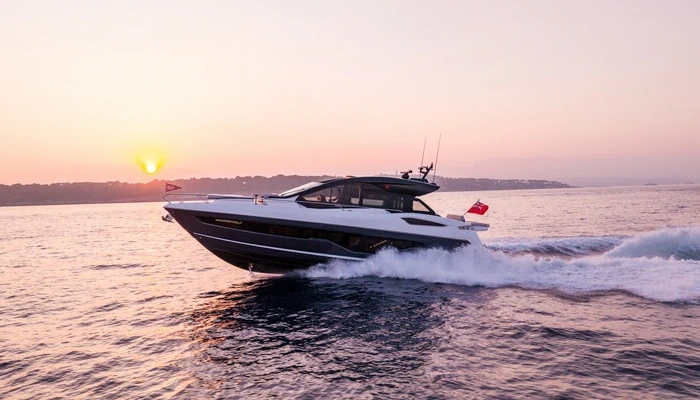
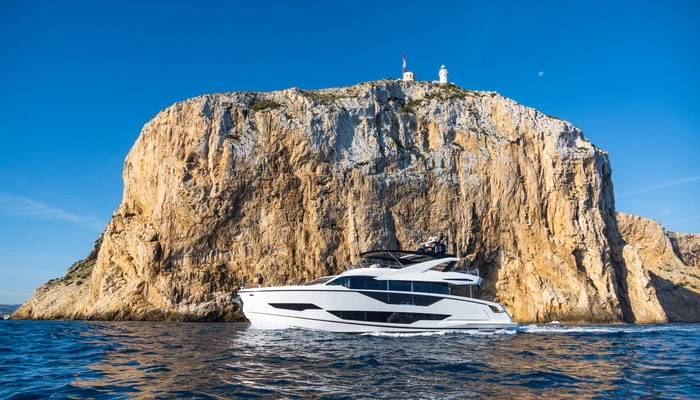
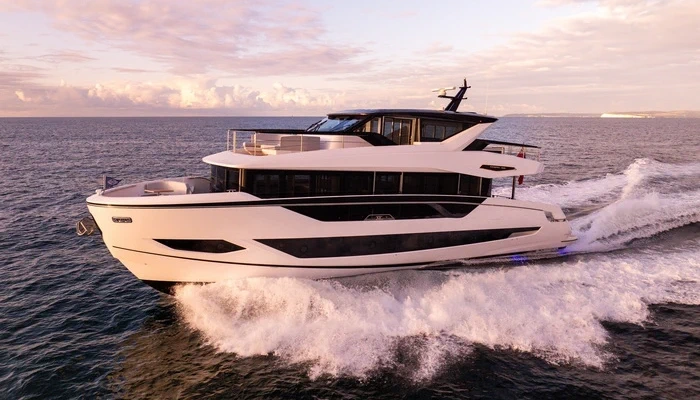
Sunseeker is excited to announce its line-up for the 65th Genoa International Boat Show from 18 to 23 September 2025, which includes two show debuts.
Situated on the Levante Waterfront in Genoa, Sunseeker Italy will showcase an exceptional display of yachts including its award-winning Ocean 156 and Manhattan 68 (2025) being seen at the show for the very first time.
The 80-foot Ocean 156 represents a culmination of Sunseeker’s commitment to technical prowess and refinement. This beautiful yacht showcases the finest in advanced materials, new technologies, and a bespoke design that promises a novel boating experience for its owners.
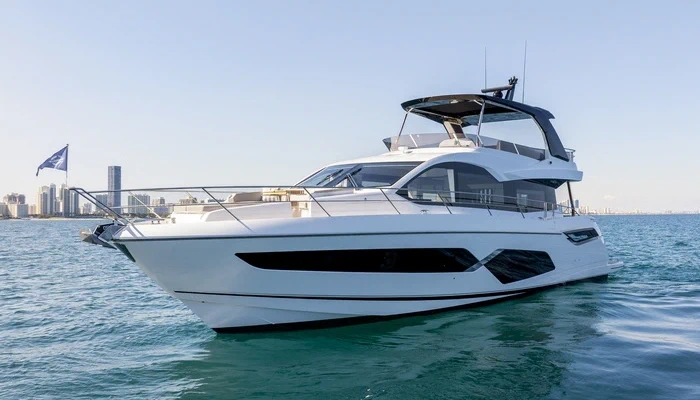
The Manhattan 68 (2025) which launched at boot Düsseldorf earlier this year, builds on the exceptional family of award-winning Manhattan models with extraordinary comfort and luxury throughout. It offers an exceptional updated layout and its interior offers a new palette of cool, crisp and contemporary upholstery with an innovative Beach Club boasting enhanced features including a dedicated water level locker for two SeaBobs.
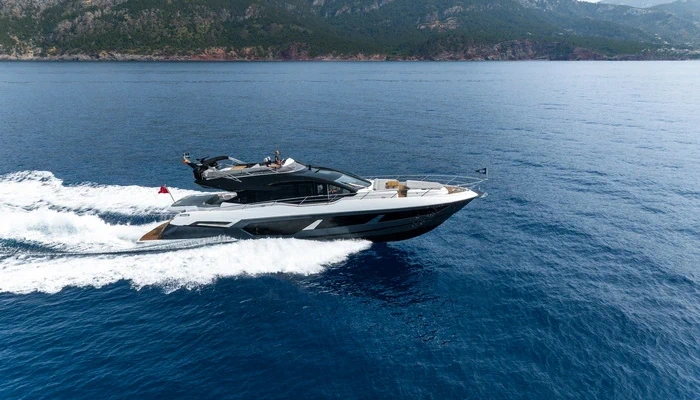
Sunseeker is bringing an unmatched fleet to suit every lifestyle and desire, from high-performance day boats to luxurious long-range yachts, including:
- Ocean 156
- 75 Sport Yacht
- Manhattan 68 (2025)
- Predator 55


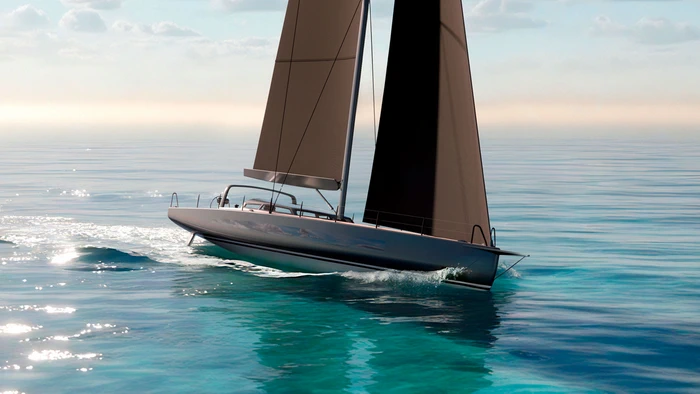
The Vela Code and the Real Impact of Avoiding Single-Use Plastic in Yachting
Yachting, like every other sector, is currently navigating a necessary green passage. Not just because it's the trend of the moment or the right thing to do — but also, and above all, because the world of yachting, long synonymous with extreme luxury, is desperately seeking a more sustainable and socially acceptable narrative.
A new identity that speaks not only to yacht owners, but also to a broader, non-nautical audience increasingly sensitive to the environmental cost of privilege.
This is the context in which the Vela Code was born.
It is not just a sustainability initiative. It is a call to conscience. Founded by yacht designer Dan Lenard, co-founder of the Nuvolari Lenard studio, the Vela Code invites all actors in the yachting sector — from builders to crew, suppliers to clients — to a simple, concrete act: to avoid, as much as possible, the use of single-use plastic onboard.

The Fundamental Question
Does it make sense to talk about green propulsion while we are still choking the very ocean we depend on? The answer is no. Cleaner engines are essential, but not enough. If we don't protect and restore the ocean's natural ability to absorb CO₂, we are sabotaging a critical part of the climate solution.
Two Approaches, Two Impacts
Cleaner Propulsion (hybrid, hydrogen, electric)
Advantages:
- Seen as technologically advanced
- Aligned with global green mobility trends
- Attractive to innovation-driven clients
Disadvantages:
- Slow to implement — only affects new builds
- Expensive — out of reach for many
- Not unique to yachting — it's a global transport issue
- Often powered by non-renewable energy
- Invisible to guests

Image Impact: Responsible, but distant. Emotionally disengaging.
Avoiding Single-Use Plastic in the Galley
(e.g. no plastic bottles, no cling film, only reusable or compostable containers)
Advantages:
- Immediate, visible, and tangible
- Easy to implement across the entire industry
- Unique in the context of luxury
- Low cost, high symbolic value
- Strong message: "Even luxury can be responsible"
- Speaks directly to a new generation of environmentally-conscious clients
Disadvantages:
- Less technological appeal
- Possible resistance from crew or suppliers used to convenience
- Doesn't directly reduce CO₂ — but helps preserve the ocean's capacity to do so

Image Impact: Strong, emotional, authentic.
Yachting appears aware, modern, and in harmony with the sea.
So which has the greater impact — real and perceived?
- The invitation to avoid single-use plastic.
- It's tangible. It's actionable now.
- And it sends a message that transcends the deck of a yacht:
- "We don't just build beautiful objects — we protect the seas they sail on."

Vision of the Vela Code
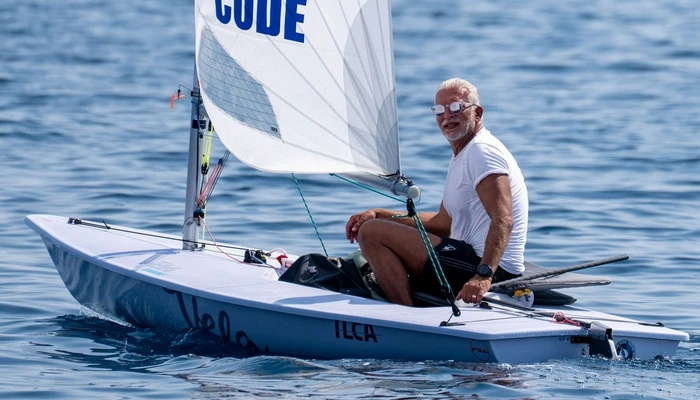
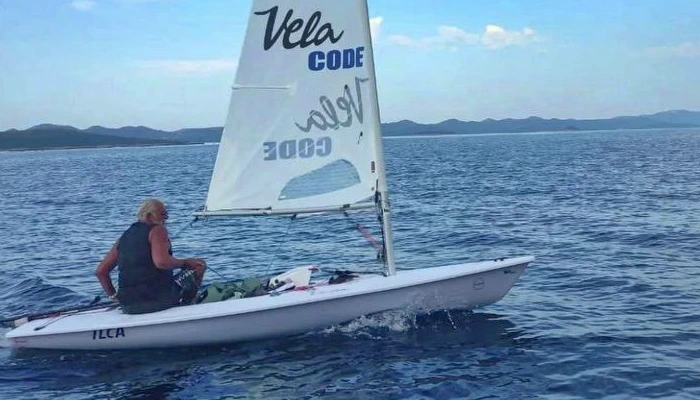
Dan Lenard's solo Atlantic crossing — without engine, without GPS, and without single-use plastic — was not a media stunt. It was a statement. One that resonated with environmentalists, journalists, young people, and the entire yachting industry. Today, the project continues aboard Vela — formerly Telefónica Black, the VOR 70 from the Volvo Ocean Race — transformed into a roving platform for environmental education. A floating classroom educating young sailors and the public about marine conservation and the impact of plastic pollution. And on June 14, 2025, Dan Lenard will attempt another symbolic yet concrete feat: 500 miles of endurance on an Olympic Laser dinghy — no engine, no emissions, no single-use plastic. A radical yet consistent gesture. A demonstration that sustainability is not sacrifice — it's courage, vision, and elegance.
What Do We Propose?
A simple but powerful invitation to the yachting industry:
Avoid single-use plastic onboard as much as possible.
- No plastic bottles
- No cling film
- Only reusable or compostable containers
This isn't radical — it's responsible. A step that is accessible to all, with real, immediate impact, and a strong contribution to the image of sustainable luxury. Let's not wait until 2035 for hydrogen engines. Let's act today. Let's make the ocean part of our brand again.

Yachting as a Cultural Force
People in the yachting world spend most of their time on land. Precisely for this reason, environmental initiatives that begin at sea can — and should — come ashore as cultural trends. Rather than relying solely on awareness campaigns or individual morality, yachting can influence through style. When luxury leads by example, behavior becomes aspirational.
A movement becomes a fashion. And fashion spreads.
- If "plastic isn't cool" becomes a social norm,
- If "plastic is ugly" becomes a shared aesthetic instinct,
- The shift happens — and it lasts.
- And this is where the Vela Code comes in:
- Not as regulation, but as a way of life.
- It doesn't impose — it inspires.
- It doesn't dictate — it seduces.
- It reframes sustainability in yachting not as moral duty, but as aesthetic intelligence. As elegance.

An Icon, Not Just a Boat
Vela (ex Telefónica Black), restored, is more than a platform — it's a declaration of style, vision, and coherence. From the solo Atlantic crossing to the upcoming 500-mile endurance challenge, every mission by Dan Lenard speaks to a single vision: To make sustainability iconic. The Vela Code aims to transform the rejection of single-use plastic into a symbol of smart luxury — an idea beautiful enough to break out of yachting and shape a broader culture of living. Because in a world drowning in plastic, nothing is more fashionable than a clean sea.