News
Vijesti



Najnovije iz eTrgovine
 329.00€
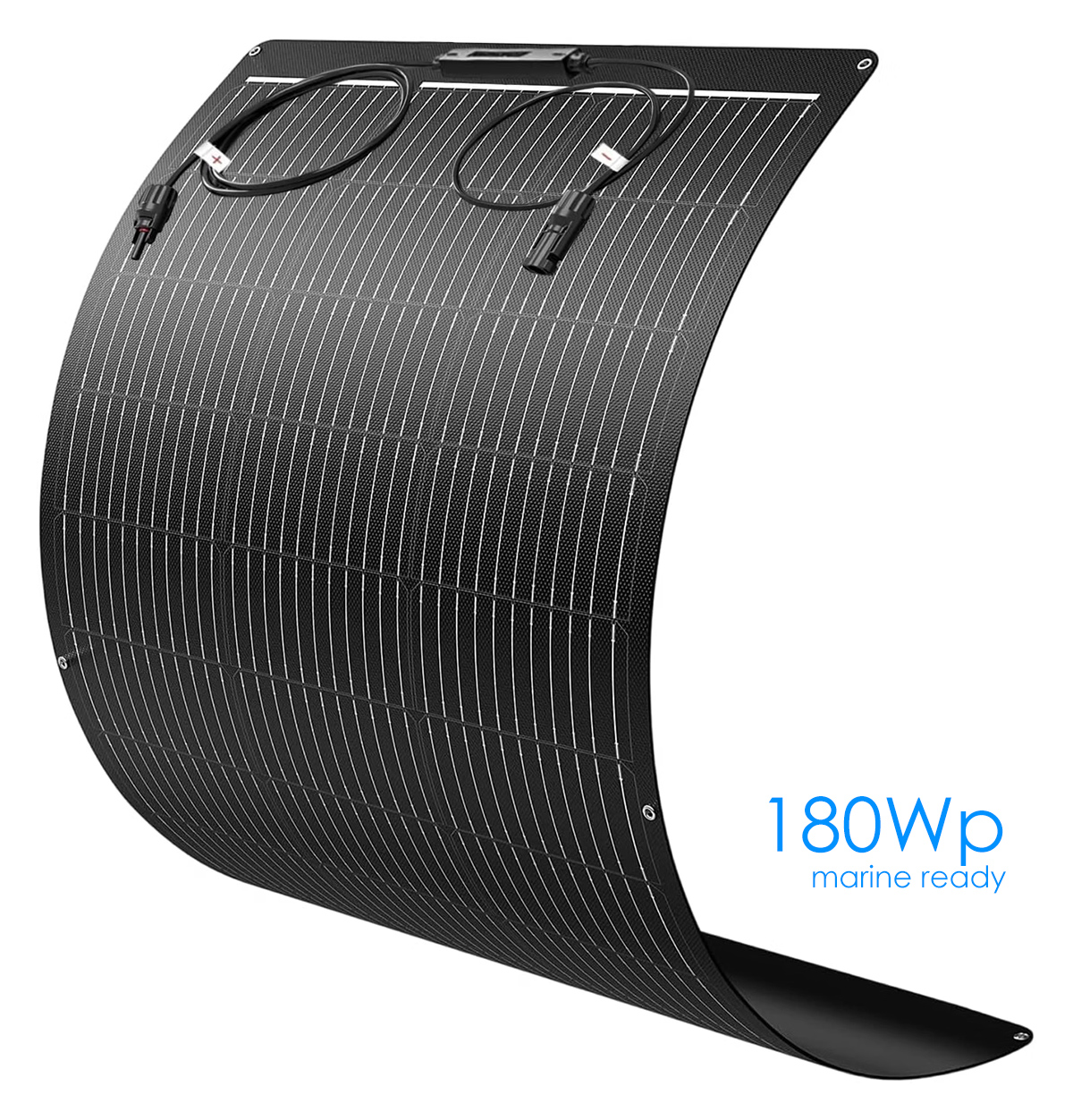
Solarni paneli na plovilih postajajo del nujne opreme. Zagotavljajo večjo samostojnost od postankov na kopnem ali gnanja motorja zgolj zaradi porabe električne energije. Ker pa smo na plovilu omejeni s prostorom in površine niso ravne, pridejo v poštev fleksibilni solarni paneli, ki imajo visoke izkoristke in so upogljivi.
Solarni panel BlueCell 180Wp zagotavlja širok spekter uporabe: Zelo je primeren za polnjenje 12-voltnih svinčenih akumulatorjev in litijevih baterij. Za polnjenje 24- ali 48-voltnih akumulatorjev je mogoče zaporedno povezati več panelov. Panele je potrebno priključiti preko solarnega regulatorja polnjenja.
Številne možnosti uporabe
Upogljivi solarni panel omogoča krivljenje do polmera 40 cm. Namestite ga lahko na plovila, prikolice, koče, šotore, osebna in tovorna vozila, jahte, strehe ali katero koli drugo nepravilno oblikovano površino.
Visoka učinkovitost pretvorbe
Visokoučinkovite monokristalne sončne celice z edinstveno tehnologijo zadnjih kontaktov (back-contact) odpravljajo potrebo po elektrodah na sprednji strani celic, ki bi sicer blokirale sončno svetlobo, s čimer se učinkovitost pretvorbe solarnega panela poveča za do 30 % v primerjavi z običajnimi izvedbami.
Kakovostni materiali
Solarni panel je izdelan iz materiala ETFE. Ta material odlikujeta večja prepustnost svetlobe in daljša življenjska doba v primerjavi z običajnimi materiali, kar zagotavlja vrhunsko delovanje dan za dnem. Hrbtna stran panela je izdelana iz materiala TPT, ki omogoča dobro odvajanje toplote, je vodoodporen, odporen na visoke temperature.
Tehnični podatki:
- Največja moč (Wp): 180W
- Napetost (Voc): 24,30V
- Napetost (Vmp): 19,20V
- Tok (Isc): 10,25A
- Tok (Imp): 9,38A
- Sistemska napetost (max): 1000V
- Toleranca: 3%
Zadnji video
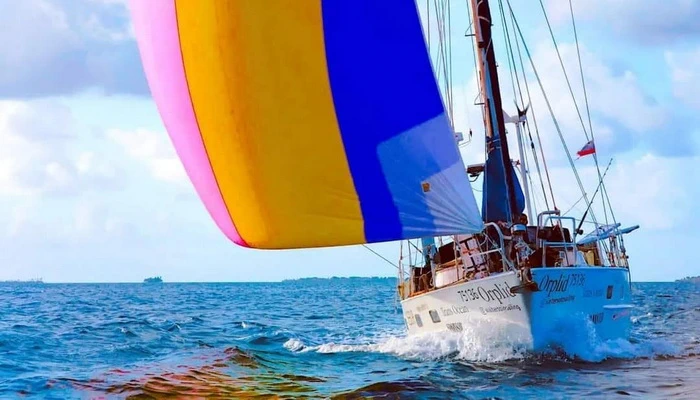
Slovenian sailor Waler Teršek has been sailing the world's seas for many years. He has experienced many things on his voyages, but this time he was surprised by a sudden fire. His life and the life of his dog Rusty, who has been his company for many years, were at risk.
Regarding this experience, Walter wrote: "I have already found myself in many difficult situations in my life, mostly on land. But this time it happened on my ship."
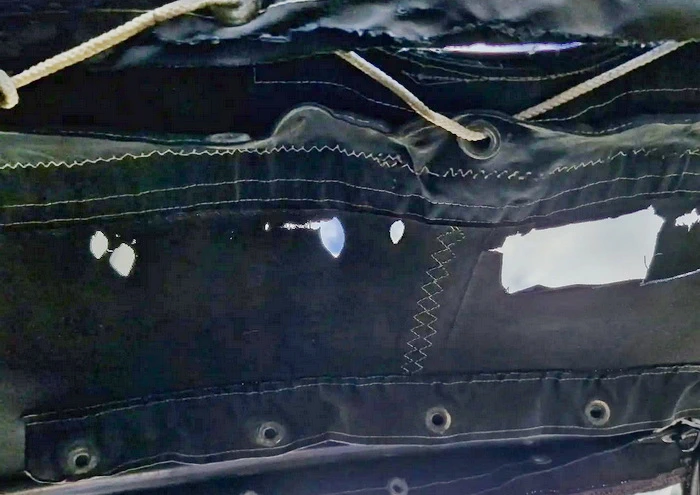
Walter Teršek was sailing his sailboat Orplid in the South Atlantic Ocean, between South Africa and the island of St. Helena. During a night voyage, when the wind was blowing at a speed of about 25 knots astern, his navigation system suddenly failed. A fire started in the engine room. Due to the strong wind, the fire spread quickly throughout the vessel. The flames almost engulfed the mainsail. Walter and his faithful companion, the dog Rusty, were trapped in the cabin of the sailboat. Walter could barely find his way from the lower deck to the deck of the sailboat due to the thick smoke. He quickly got some fresh air, then returned to the lower deck and rescued his loyal friend, Rusty the dog.
Fortunately, he had an old German-made fire extinguisher on hand, which had long since expired. Despite its age, the extinguisher did its job and Walter managed to put out the fire.
He turned off all the electricity on board and began to navigate the vessel himself without the help of the autopilot.
“At that moment, I had no navigation systems and nothing on board was working to tell me where I was going. I had to rely on the wind, which had been blowing steadily from the same direction for several days,” Walter said.
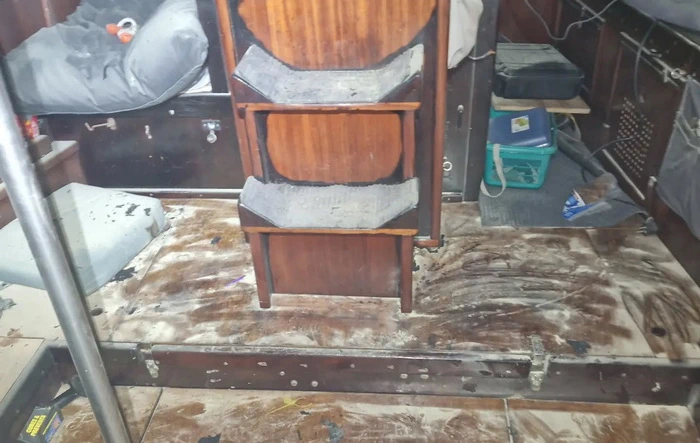
He had to sail until sunrise, when the smoke in the lower deck of the vessel had already cleared.
“After sunrise, I managed to restart the wind-powered autopilot that was steering the boat while I began to repair the electronics. It was not an easy decision to continue without communication. The people following my journey expected me to stay in touch. I could personally find myself without contact with the outside world, but those following my journey would have no way of knowing what had happened if I had suddenly disappeared from their screens.”
All the cables had melted and burned. After twelve hours of repairs, he managed to connect the most essential electronic devices and establish contact with land. He continued his voyage, making an emergency stop on the island of St. Helena in the South Atlantic Ocean. Despite having to skip the official exit procedures from South Africa, he safely sailed to the safe haven of St. Helena.
After his arrival, he said: “Sometimes when sailing around the world, it’s not the wind, the waves or the distance that matters. It's about keeping a clear head when everything goes wrong, making the right decisions under pressure, and never giving up. And of course, making sure Rusty is safe."
Najčitanije vijesti